

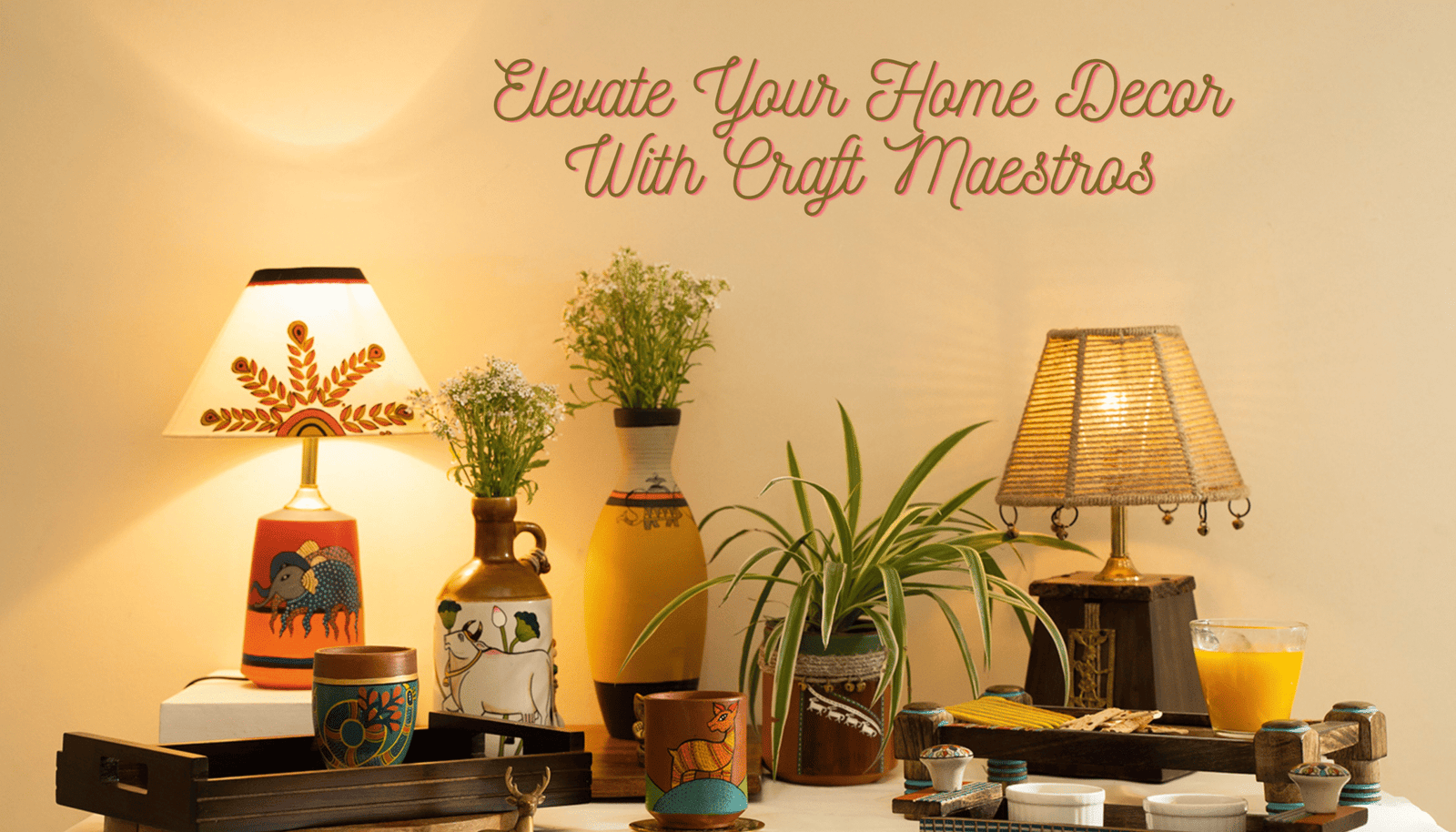
We live in a world obsessed with the new. New tech, new trends, new algorithms. But when was the last time you paused to look at something old? I mean, something crafted by hand, carrying the silent stories of a thousand years: a painting, a textile, or a piece of pottery.
This is the enduring power of traditional art. Far from being dusty relics, these art forms are currently experiencing a huge comeback. They offer us a crucial link to our history and a much-needed break from the noise of our digital lives. The real magic happens when contemporary artists and designers take these ancient techniques and use them to speak to a modern audience. That’s how we truly bridge the past and the present.
The Art of the Fusion: Blending Old Techniques with New Ideas
Think about it: Why does a piece of hand-woven fabric or a folk-style painting feel so different from a mass-produced poster? It’s the craftsmanship—the skill and the time invested.
Today’s most exciting artists aren’t rejecting technology; they’re simply choosing to ground their work in age-old traditions.
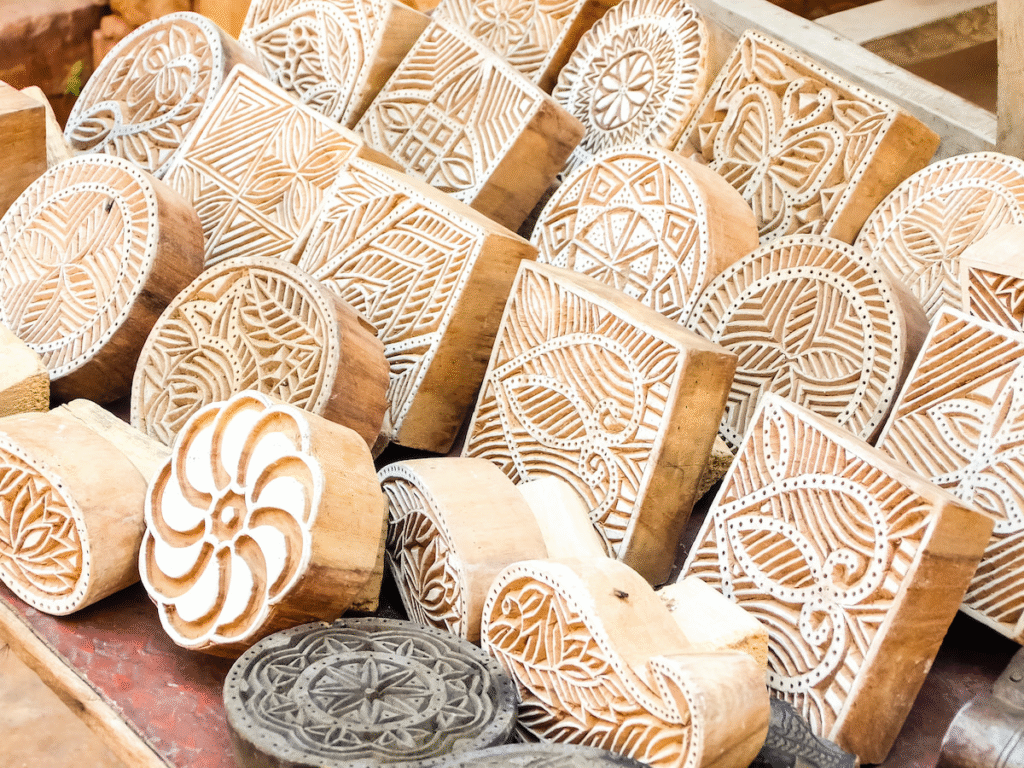
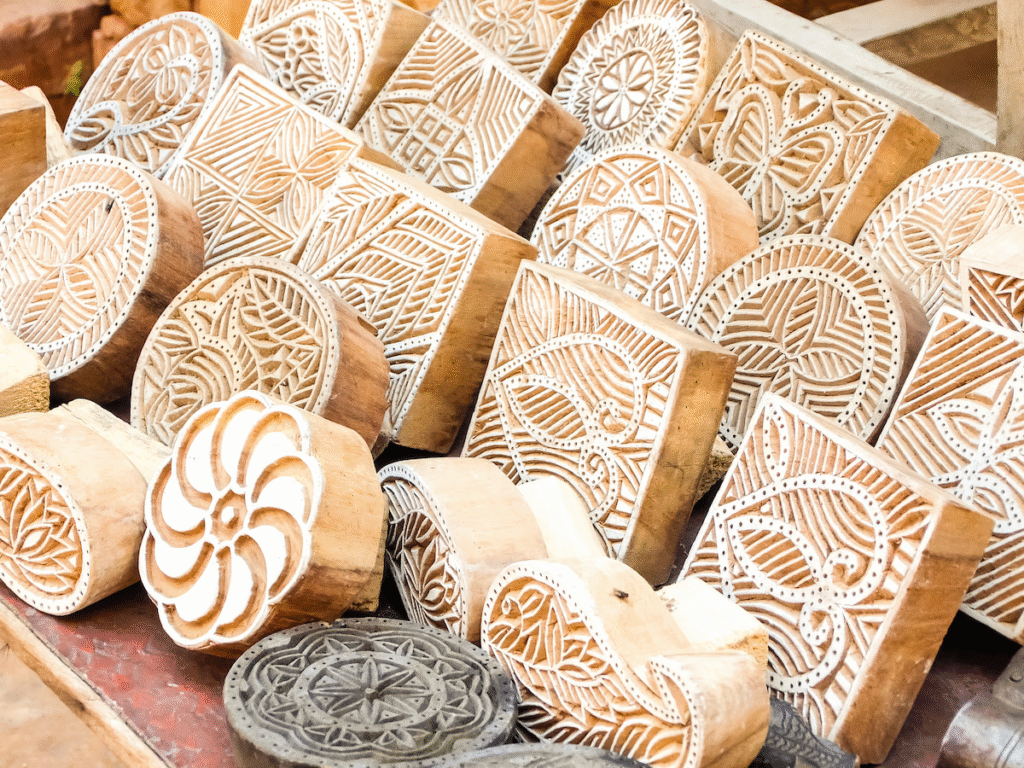
- Ancient Skills, Modern Stories: An artist might use a traditional woodblock printing technique, which takes immense precision and labor, but the resulting image tells a story about climate change or social justice. The classical method adds a layer of depth and timelessness to a pressing contemporary issue.
- A New Canvas: You can see this fusion everywhere. Take an ancient embroidery style, like India’s Phulkari, and apply it not to traditional clothing, but to a minimalistic, cutting-edge modern jacket. The combination is stunning, making the heritage instantly relevant and attractive to a younger generation.
This approach isn’t about perfectly replicating the past. It’s about honoring it by using its wisdom and beauty as a foundation for innovation.
Preserving Identity in a Globalized World
In an increasingly globalized world, where one cultural distinction can often blend into the next, traditional art forms become vital anchors for cultural identity.
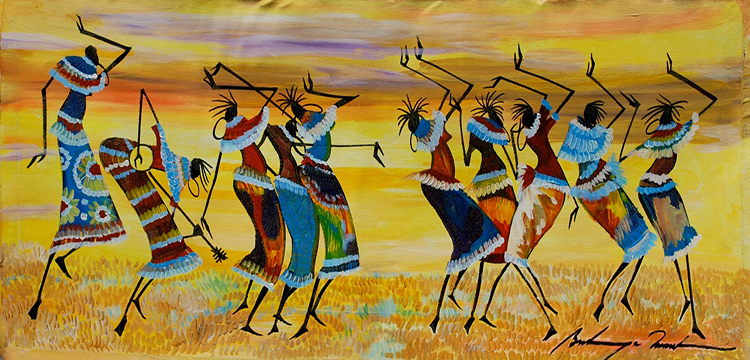
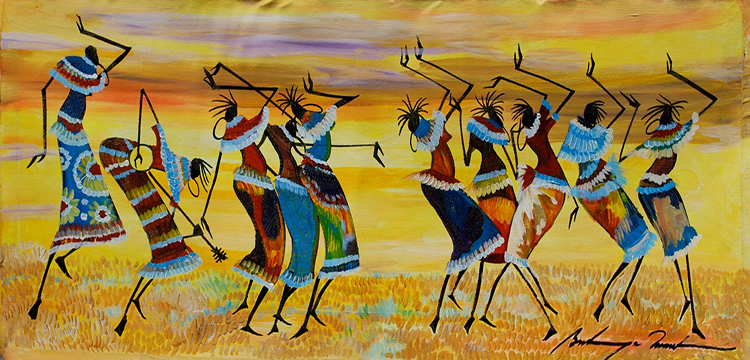
Imagine walking into a gallery and seeing vibrant, detailed paintings from a specific folk tradition like Warli or Pattachitra. These works are more than just pretty pictures; they are visual documents of a community’s rituals, mythology, architecture, and daily life.
When an artist uses these symbols and motifs in a contemporary setting, they are doing two powerful things:
- Maintaining a Legacy: They are teaching future generations and the wider world about their roots, ensuring that this unique cultural language doesn’t fade away.
- Fostering Connection: They give people from that heritage a sense of pride and belonging, reminding them that their stories matter and are still being told. Art essentially acts as a powerful conversation between generations.
The Digital Lifeline: Technology as a Tool for Tradition
It might seem contradictory, but modern technology is one of the greatest allies of traditional art revival. Our devices aren’t just distractions; they are also powerful tools for preservation and promotion.
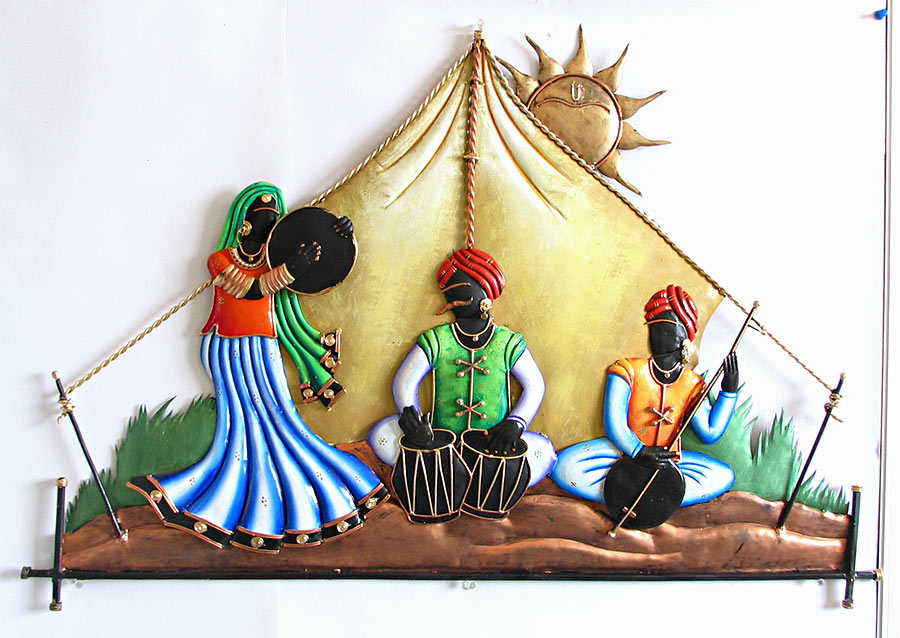
- Global Marketplace: Social media platforms and specialized online galleries allow artisans in remote villages to sell their handcrafted items to a worldwide audience. This creates sustainable economic opportunities, directly supporting the livelihoods of traditional craftspeople who might otherwise struggle against cheap, mass-produced goods.
- Documentation and Learning: Digital photography, 3D scanning, and online tutorials help preserve fragile designs and complex techniques for posterity. A young person today can learn the basics of a centuries-old textile technique through a YouTube video, breathing new life into a nearly lost skill.
This use of technology refutes the idea that traditional art is automatically “anti-modern.” Instead, it shows how we can use the best of the present to safeguard the irreplaceable beauty of the past.
What’s the Takeaway for the Rest of Us?
The revival of traditional art isn’t just a trend for galleries and museums; it’s an invitation for all of us to slow down and appreciate quality, meaning, and heritage.
How can you participate in this bridge-building?
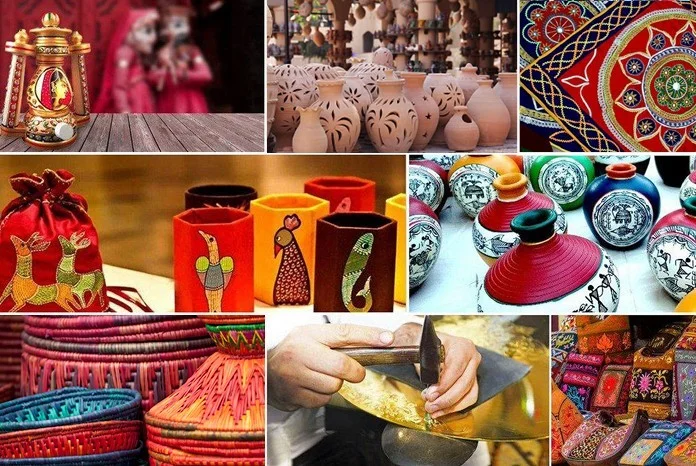
- Look for the Story: Next time you shop for home decor or accessories, choose an item that is handcrafted. Ask where it came from, who made it, and what the symbols mean. You’re not just buying an object; you’re investing in a story and a culture.
- Get Hands-On: Take a local workshop in pottery, weaving, or painting. The act of using your hands to create something tangible is a powerful antidote to screen fatigue.
Ultimately, the traditional artist is a cultural guardian, reminding us that for all our progress, our roots are everything. When tradition is given a voice in the modern world, it makes that world richer, deeper, and infinitely more human.
#TraditionalArt #IndianArt #FolkArt #CulturalHeritage #ArtLovers #HandmadeArt #ArtAndCulture #HeritageArt #ArtisticIndia #ArtCollectors #IndianCrafts #ArtInspiration #FolkPaintings #CulturalArt #TimelessArt #Carrerbook#Anslation#ArtisticExpressions #TraditionalCraft #HeritageCraft #CreativeIndia #ArtOfIndia

Leave a Reply